Dawn of Defense Meta Progression & Skill Tree
Runes vs Runestones, economy-first tree priorities, and when permanent unlocks beat greedy combat nodes.
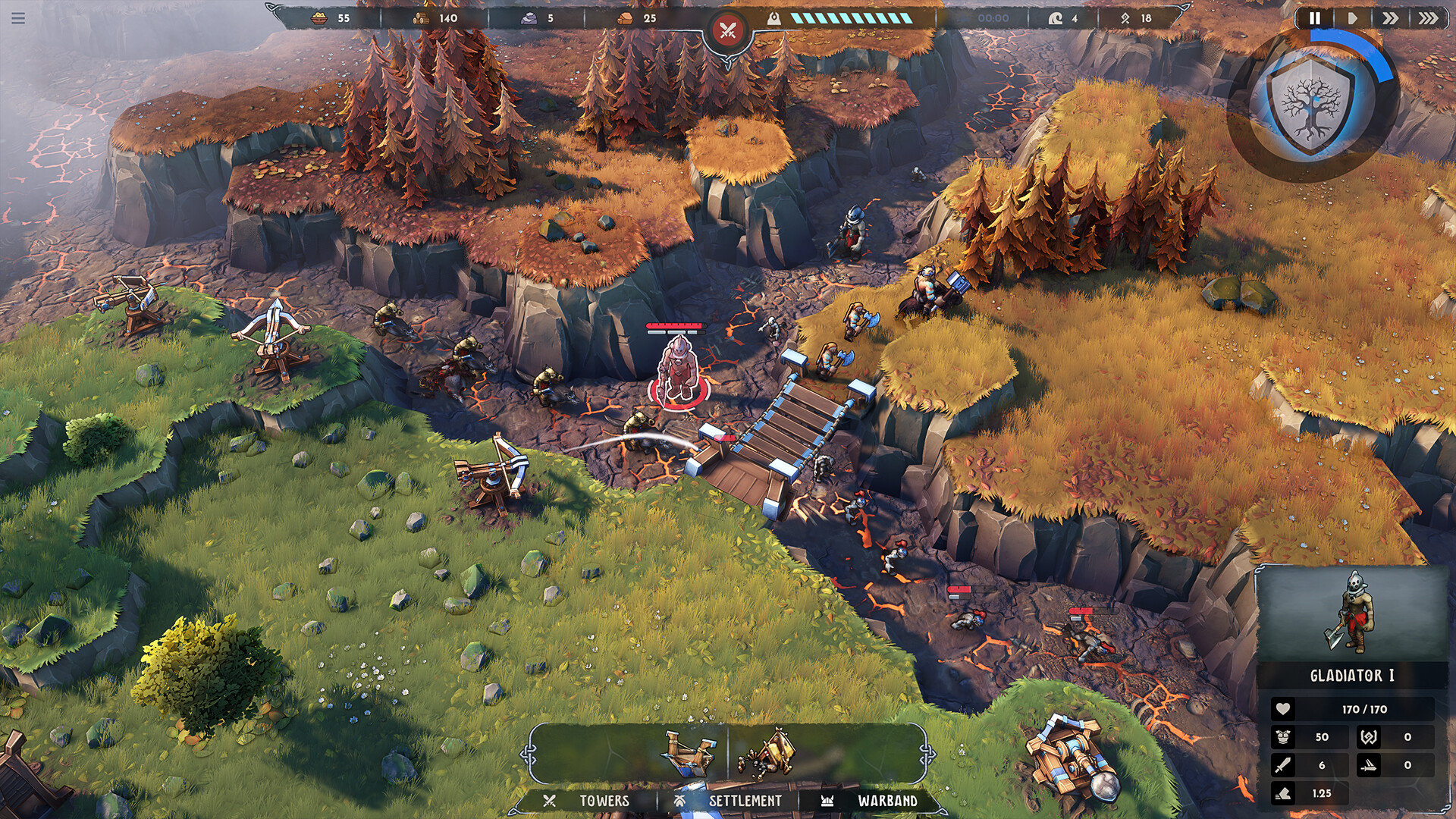
Meta progression is why a weak Dawn of Defense run still moves you forward. After every attempt — win or loss — you earn Runes and spend them on a permanent skill tree that unlocks stronger starts, better Runestone pools, towers, units, and quality-of-life nodes. Inside a run you still draft temporary Runestones after waves; those reshape one attempt only. Mixing the two currencies up is the most common early mistake. This guide explains the difference, what to buy first, when to save, how Forgotten Powers-style permanent unlocks change the loop, and how Blood Moon fits Rune farming.
Dawn of Defense by 6side Studio launched November 17, 2026 on Steam PC as a single-player Tower Defense + RTS + Roguelite. Pair this page with Getting Started for the first hour, Economy & Resources for Meadhall and deposits, and the Runestones Tier List for in-run draft priorities.
Runestones vs Runes (never confuse them)
| Currency | When you earn it | Scope | What it does |
|---|---|---|---|
| Runestones | After clearing waves (3-choice draft, limited rerolls) | Current run only | Buff towers/units/economy, unlock tools for this seed |
| Runes | After the run ends (wins pay more; losses still pay) | Permanent account/meta | Skill tree nodes that carry into every future run |
Runestones answer the map in front of you: Armor packs, plot starvation, missing Tarbarl slow, or a warlord that needs Eyodin marks. Runes answer the career: fewer dead openings, richer draft pools, and unlocks that used to live only in random stones. Studio design notes for the Forgotten Powers update explicitly moved some upgrades out of the Runestone pool into the permanent tree so progress feels earned between attempts.
If a tooltip says the power lasts until the run ends, it is a Runestone. If you buy it from the skill tree between runs, it is a Rune spend.
Why meta progression exists
Without a meta layer, a bad early draft or poor island seed felt like wasted time. Runes fix that emotional spike: even a Spiridun collapse still banks currency toward the next attempt. Experienced players can clear with a thin tree; newer players climb by investing until economy and draft quality catch up. Treat failed fortress pushes as tuition — then spend deliberately instead of impulse-buying the flashiest combat node.
Forgotten Powers and permanent unlock themes
The Forgotten Powers content wave introduced the large skill tree and reframed “forgotten” powers as things you reclaim across runs, not only as one-off stones. Practically that means:
- Some tower, unit, or Runestone options appear only after meta unlocks.
- Stat nodes raise floors (starting resources, production, durability).
- Pool nodes inject new Runestone families or remove dead variance from early drafts.
- Feature nodes (extra plots, reroll quality, tutorial Rune payouts) shorten the time to a stable Spiridun hold.
You do not need every node before assaulting the three fortresses. You need the nodes that stop your most common loss reason. If runs die to Wood/Food starvation, civil and economy branches beat pure damage. If trenches hold but warlords stall, unlock the counters and siege tools you keep missing in drafts — then practice them with Beat Warlords.
Skill tree priorities: economy early
Default first investments:
- Starting resources / early production — Sawmill and Windmill openings stop being coin-flip disasters.
- Draft quality and Runestone pool unlocks — more relevant three-choice lines, fewer stones for systems you never built.
- Plot / settlement capacity helpers — islands punish overcrowding; extra workable plots multiply Meadhall plans from Economy & Resources.
- Core tower and unit unlocks you actually place — Boltskot, Skullbrakkr, Tarbarl, Eyodin, Krokran, Axemen, Spearmen, Shieldbearers, Shieldmaidens, Catapults — buy the missing role, not a vanity duplicate.
- Combat stat nodes — after the floor is raised. Raw damage on a starved board still loses Spiridun.
A practical heuristic: spend the first several Rune payouts on anything that makes the first ten waves boringly stable. Exciting late-tree combat nodes shine once Blood Moon and fortress clears are realistic goals, not coping mechanisms.
When to spend vs when to save
Spend immediately when:
- The node removes a run-killer you hit every attempt (empty early Wood, no slow tower, no mark tool).
- You just unlocked a branch prerequisite and the next node is cheap relative to your bank.
- Tutorial or launch quests already handed free Runes — claim and invest before “saving for later” becomes hoarding.
Save or redirect when:
- You are two nodes from a pool unlock that enables an entire draft family you want.
- Your current losses are execution (ignoring Banner Carriers, abandoning Spiridun mid-siege), not missing stats — practice beats another +% node.
- Patch notes may reshuffle values; check Launch Notes after major balance drops before dumping a huge bank into one niche branch.
Do not leave large Rune piles idle while you keep dying to the same opening. Idle currency does not defend the Spiridun.
In-run Runestones still matter
Meta unlocks raise the ceiling; Runestone drafts still decide the run. After each wave, pick for the board: economy stones when deposits are weak, pierce/splash/control when trenches wobble, siege and mark tools before fortress gates. Use limited rerolls when all three options buff systems you did not build. For family stacking and trap picks, lean on the Runestones Tier List and the broader Tier List Hub.
Remember Armor, Ward, and Health layers. A meta node that unlocks Eyodin or mark amplifiers only pays off if you draft and place them when Banner Carriers and armored warlord escorts show up.
Blood Moon and Rune income
Higher difficulties up to Blood Moon increase pressure and Rune rewards. Climb when fortress patterns feel readable and your tree already covers early economy plus one reliable trench package. Farming Blood Moon before you can finish runs is slower learning even if a dead run still drops some Runes — you see fewer teachable mid and late decisions. Details on boss prep live in Beat Warlords and difficulty context in Blood Moon when you are ready to push the top tier.
Wins pay better than losses. A clean clear on a difficulty you understand often beats three rushed Blood Moon suicides for both Runes and skill.
Practical meta checklist
- Finish the overhauled tutorial once for its Rune payout.
- Label every currency correctly: Runestone = this run; Rune = forever.
- Buy economy and draft-quality nodes before luxury combat.
- Unlock the tower or unit role you keep failing without.
- Re-evaluate spends after each fortress clear or repeated early wipe.
- Align in-run drafts with meta unlocks — do not ignore a newly unlocked family.
- Climb difficulty only after Spiridun holds feel routine.
- Re-read this page and Launch Notes when patches reshape the tree.
Related guides
- Guides Hub — full guide index.
- Getting Started — first-hour spine before heavy meta theory.
- Economy & Resources — why civil nodes pay for towers and armies.
- Beat Warlords — fortress spends and boss counters.
- Blood Moon — top difficulty timing and pressure.
- Runestones Tier List — temporary draft priorities.
- Tier List Hub — towers, units, and draft context.
- Launch Notes — what retail shipped for meta trees.
Spend Runes like infrastructure, not like cosmetics. Stabilize openings, widen the Runestone pool, then chase combat power — that order turns every Spiridun defense into permanent progress.
Frequently Asked Questions
Quick answers about Dawn of Defense and this wiki.
What is the difference between Runes and Runestones?
Runestones are the three-choice upgrades you pick after waves inside a run; they expire when the run ends. Runes are the permanent meta currency earned after each run and spent on the skill tree.
What should I unlock first on the skill tree?
Prioritize early economy, starting resources, and Runestone draft or pool quality before flashy combat nodes. Stable Wood and Food openings win more runs than raw damage on a starved board — see Economy & Resources.
Do I still get Runes if I lose?
Yes. Losses still award Runes, though victories pay more. That is why even a failed Spiridun hold advances meta progression.
How does Forgotten Powers relate to meta progression?
Forgotten Powers introduced the large permanent skill tree and moved some upgrades out of pure Runestone randomness into unlockable meta nodes, so progress carries between runs.
Should I play Blood Moon just to farm Runes faster?
Only after you can clear consistently on lower tiers. Blood Moon pays more Runes but punishes thin trees harder — climb when economy and fortress basics from Beat Warlords already feel reliable.